
luxury gorilla photography tours

Luxury Gorilla Photography Tours
Photograph mountain gorillas in the rainforests of Uganda and Rwanda on a privately designed luxury safari combining carefully planned gorilla encounters, premium lodges, experienced guides and seamless transfers.
Designed Around the Photograph
A Gorilla Safari Designed for Photographers
Luxury gorilla photography tours are designed for travellers who want more than simply seeing a mountain gorilla. The journey is planned around giving you strong photographic opportunities while maintaining the comfort, privacy and careful logistics expected from a high-end African safari. The experience can combine multiple gorilla treks, Uganda’s extended Gorilla Habituation Experience, strategically selected lodges, private road transfers and domestic flights.
Photographing mountain gorillas is unlike photographing wildlife from a safari vehicle. You enter a living rainforest on foot. Light changes constantly beneath the canopy, vegetation can obscure your subject, rain may arrive unexpectedly and a gorilla can move from deep shade into an open patch within seconds. Successful photography therefore depends on preparation, patience and having an itinerary that gives you enough opportunities rather than putting all your expectations into one encounter.
Safari Vacations & Travel Services designs private Uganda gorilla safaris and Rwanda gorilla trekking tours around your available dates, photographic priorities, desired accommodation level and permit availability.

Beyond an Expensive Lodge
What Makes a Gorilla Photography Tour Luxury?
A genuine luxury journey reduces logistical friction and creates the time, support and comfort needed to concentrate on photography.
Private Safari Planning
Your transport, lodge nights and supporting activities are built around your permits and photographic priorities rather than forcing you into a fixed group itinerary.
Multiple Gorilla Encounters
Serious photographers can schedule two or more treks, reducing the pressure to capture every desired portrait, behaviour and composition during one encounter.
Premium Forest Lodges
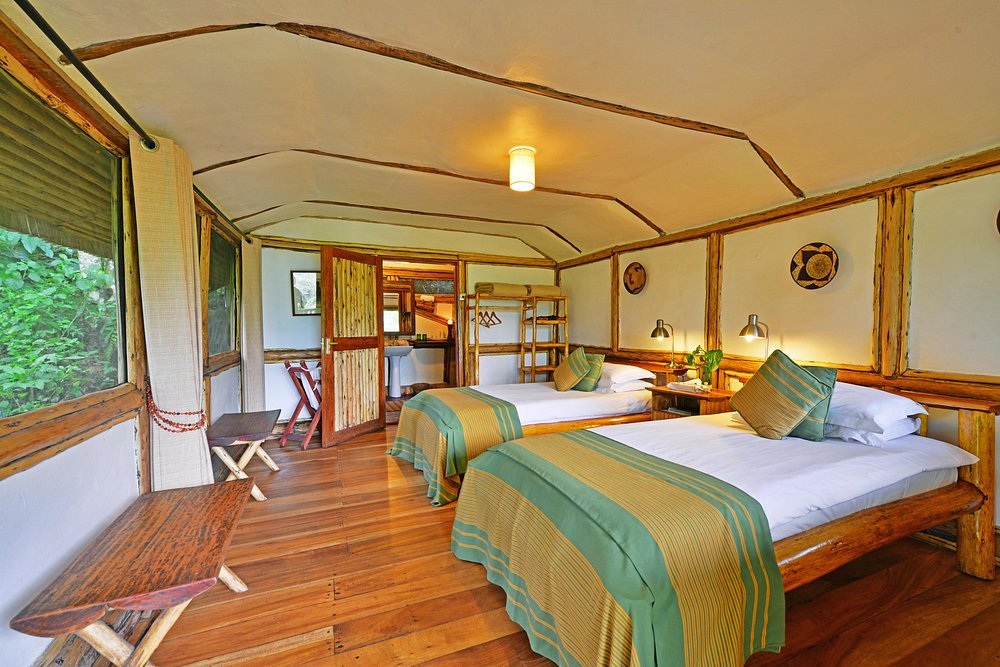
Carefully positioned accommodation gives you a comfortable base for preparing equipment, charging batteries, backing up photographs and recovering after trekking.
Fly-In Options
Domestic flights between Entebbe and the Bwindi region can significantly reduce road travel and are especially attractive to travellers carrying valuable camera equipment.
Choose Your Forest
Uganda vs Rwanda for Gorilla Photography
Both destinations can produce exceptional photographs, but the overall journey and photographic environment are different.
| Photography Factor | Uganda | Rwanda |
|---|---|---|
| Main destination | Bwindi & Mgahinga | Volcanoes National Park |
| Standard viewing | Up to 1 hour after locating gorillas | Up to 1 hour after locating gorillas |
| Extended habituation | Available – up to 4 hours with gorillas after locating them | Not offered |
| Environment | Dense rainforest, steep ridges, bamboo in Mgahinga | Bamboo and montane vegetation on volcanic slopes |
| Access | Road or domestic flight via Kihihi/Kisoro | Convenient road transfer from Kigali |
| Best suited to | Multiple treks, habituation and longer photographic safaris | Premium short trips and convenient Kigali access |
Travellers still deciding can read our detailed Uganda vs Rwanda gorilla trekking comparison.


The Photographer’s Advantage
Gorilla Habituation: Up to Four Hours With Gorillas
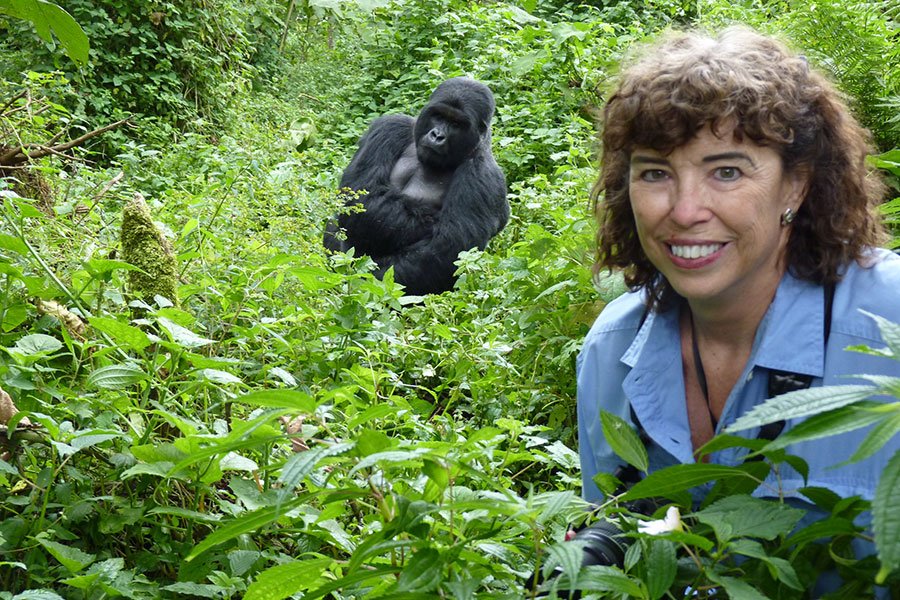
Uganda’s Gorilla Habituation Experience is one of the most compelling options for dedicated photographers. After the gorillas are located, participants can spend up to four hours with a gorilla group undergoing habituation, compared with the one-hour viewing period of a standard trek.
More time does not guarantee a particular photograph, but it creates more opportunity to observe changing behaviour, expressions, movement and forest light. You may experience periods when gorillas are resting followed by feeding, interaction between youngsters, grooming or movement through vegetation.
Gorilla habituation permits for foreign non-residents are USD 1,800 per person. Availability is extremely limited, so the permit should be secured before non-refundable accommodation arrangements are finalized.
Plan the Essential Access First
Gorilla Permit Prices
Your luxury lodge can be changed; a sold-out permit cannot. We therefore recommend confirming permit availability before finalizing the rest of a photography itinerary.
Uganda Gorilla Permits – 2026
| Visitor Category | Standard Trek | Habituation |
|---|---|---|
| Foreign Non-Resident | USD 800 | USD 1,800 |
| Foreign Resident | USD 700 | Subject to applicable UWA rate |
| Rest of Africa | USD 500 | Subject to applicable UWA rate |
| East African Citizens | UGX 300,000 | Subject to applicable UWA rate |
Rwanda Gorilla Permits
| Visitor Category | Permit Price |
|---|---|
| Foreign Non-Resident | USD 1,500 |
| Foreign Resident | USD 500 |
| African Citizens | USD 500 |
| East African Citizens | USD 200 |
Permit rates and eligibility requirements can change. We reconfirm the applicable category and availability before requesting payment.
Location Matters
Which Bwindi Sector Is Best for Photography?
There is no single sector that guarantees better photographs. Gorilla position, weather, vegetation and the individual family encountered matter enormously. However, sector choice affects accommodation, terrain, access and whether habituation can be incorporated.
Buhoma
Historic northern gateway with established tourism infrastructure and several excellent lodge choices. Particularly attractive when lodge convenience is a major priority.
Ruhija
High-elevation eastern Bwindi with beautiful forest scenery. It can work particularly well for travellers combining gorilla trekking with birding and broader forest photography.
Rushaga
Southern Bwindi with numerous gorilla families and the primary base for Gorilla Habituation Experience planning, making it highly relevant for serious photographers.
Nkuringo
Dramatic southwestern highlands, premium accommodation possibilities and beautiful landscape views. Terrain can be demanding, but the wider setting is exceptionally scenic.

Pack for the Rainforest
Camera Equipment for Gorilla Photography
You do not need the largest lens in your collection. Gorillas may be relatively close, while dense vegetation and the need to move on foot make heavy equipment tiring.
- Camera body: a mirrorless or DSLR body with strong high-ISO performance is useful in dark forest conditions.
- Flexible zoom: lenses around the 70–200mm range are highly practical because compositions can change quickly.
- Wider option: a second body or wider zoom can help when gorillas approach closely or when you want environmental portraits.
- Fast aperture: useful when forest light becomes limited.
- Spare batteries: carry charged backups rather than depending on one battery.
- Memory: bring sufficient high-capacity cards and back up photographs at your lodge.
- Weather protection: use a rain cover or waterproof camera bag because tropical showers can begin quickly.
Work With the Light
Practical Camera Settings in the Forest
There is no single perfect setting. Your priority is being ready for sudden movement while protecting enough shutter speed to avoid motion blur.
Shutter Speed
Start around 1/250–1/500 sec for relatively calm subjects and increase it when youngsters are moving or playing.
Aperture
A wider aperture helps in low light. Stop down when several faces need to remain acceptably sharp.
ISO
Auto ISO can be extremely useful when moving between dark forest and brighter openings while maintaining a safe shutter speed.
Focus
Continuous autofocus and animal/eye detection can help where supported, but vegetation may confuse autofocus, so remain ready to adjust.
How to Create Stronger Gorilla Photographs
The strongest gorilla photographs are not always the tightest portraits. Begin with the eyes, but also photograph relationships and habitat. A silverback framed by wet leaves tells a different story from a close portrait; a mother holding an infant creates intimacy; young gorillas interacting can introduce movement and humour; a wide photograph showing the rainforest communicates where the encounter happened.
Watch the background before pressing the shutter. Rainforest scenes are visually complex, and a small movement of your position can remove a bright branch from behind the gorilla’s head. When ranger instructions and terrain allow, lower viewpoints can also make portraits feel more immersive. Never leave the permitted position simply to improve an angle.
Avoid spending the entire viewing period looking through your camera. Observe first. Behaviour often provides clues about what may happen next. A youngster climbing toward another gorilla, a mother repositioning an infant or a silverback becoming attentive may develop into a stronger sequence than continuously photographing a stationary subject.

Seasonality
Best Time for Luxury Gorilla Photography Tours
Gorilla trekking operates throughout the year, and there is no month when good photographs are guaranteed. Your preferred conditions should guide the timing.
June–September
Best for easier trail conditions. These are popular months because rainfall is generally lower and trekking paths can be more manageable. Demand for permits and premium lodges is also high.
December–February
Excellent peak-season alternative. Another popular window for travellers wanting comparatively drier conditions and easier integration with a longer East African safari.
Wetter Months
Excellent for atmosphere. Forest vegetation becomes intensely green, visitor numbers can be lower and cloud cover may produce softer light, although rain and muddy trails require better preparation.
For a deeper seasonal comparison, see our guide to the best time to see mountain gorillas in Uganda and Rwanda.
Where You Stay Matters
Luxury Accommodation for Gorilla Photographers
We select accommodation according to your trekking sector, transfer logistics and desired level of comfort—not simply by choosing the most famous lodge.


Start With an Idea
Luxury Gorilla Photography Itinerary Ideas
These are planning frameworks rather than fixed departures. Your final itinerary should be built around permit availability and the photographic experiences you value most.
4 DAYS
Luxury Bwindi Photography Escape
Fly to Bwindi, enjoy a premium forest lodge, complete one gorilla trek and return by domestic flight.
Best for: Limited time.
5 DAYS
Double Gorilla Photography Safari
Two trekking days give you two different opportunities for behaviour, light, positioning and photographic storytelling.
Best for: Serious enthusiasts.
6 DAYS
Trek + Habituation
Combine a standard gorilla trek with Uganda’s extended Gorilla Habituation Experience in southern Bwindi.
Best for: Gorilla-focused portfolios.
10 DAYS
Primates & Wildlife Photography
Combine Bwindi gorillas with chimpanzees and savannah wildlife for a more diverse East African photography portfolio.
Best for: Complete photography journeys.
Beyond the Gorillas
Extend Your Photography Safari
A mountain gorilla encounter can be the centerpiece of a much broader wildlife portfolio.
Kibale Chimpanzees
Photograph chimpanzees and other primates in one of Uganda’s most celebrated rainforest environments.
Queen Elizabeth NP
Add elephants, buffalo, antelope, birdlife and the famous Ishasha region to contrast rainforest photography with open savannah.
Golden Monkeys
Fast-moving golden monkeys create a very different primate photography challenge in the Virunga highlands.
Akagera National Park
For Rwanda itineraries, Akagera adds classic savannah wildlife and landscapes to a gorilla-focused journey.
Responsible Gorilla Photography Comes First
No photograph is more important than the welfare of the gorillas. Mountain gorilla encounters operate under strict conservation rules, and photographers must follow ranger instructions throughout the experience.
- Never use flash photography.
- Maintain the required distance whenever circumstances permit and follow ranger directions if gorillas move closer.
- Do not move toward a gorilla simply to obtain a cleaner angle.
- Avoid loud conversation and unnecessary movement.
- Do not eat or drink while close to the gorillas.
- Follow current health and mask requirements communicated by park authorities.
- Never imitate gorilla sounds or attempt to attract their attention for a photograph.
Respectful photography produces a better experience for the animals, the trekking group and future visitors.
Hire a Porter—Especially With Camera Equipment
A porter is one of the most practical additions to a photography-focused trek. Camera bodies, lenses, water, rain protection and personal items quickly become heavy on steep or slippery trails.
Your porter can carry your daypack until you need equipment and can provide a steady hand on difficult sections of trail. Hiring porters also creates direct economic benefits for communities around gorilla tourism areas.
Porters commonly cost approximately USD 15–20, although the final local rate should always be reconfirmed at the trekking location.

Who Is This Safari Best For?
You do not need to be a professional photographer. Luxury gorilla photography tours work equally well for experienced wildlife photographers, enthusiastic amateurs and travellers who simply want better conditions for documenting a once-in-a-lifetime encounter.
Enthusiastic Amateurs
Couples
Private Travellers
Content Creators
Wildlife Enthusiasts
Planning Questions
Luxury Gorilla Photography FAQs
Is one gorilla trek enough for photography?
One trek can produce exceptional photographs, but photographers who place a high priority on their portfolio should consider two treks. Forest light, gorilla behaviour and visibility can differ significantly from one day to another.
Is gorilla habituation better for photography?
It provides considerably more viewing time after the gorillas are located, which can create more opportunities for different behaviour and lighting conditions. However, the gorillas are undergoing habituation, so the experience can differ from visiting a fully habituated family.
Can I use flash?
No. Flash photography is not permitted during gorilla encounters. Your camera should be configured for available light before reaching the gorillas.
What lens should I bring?
A flexible telephoto zoom such as a 70–200mm-type lens is highly practical. A wider second lens or camera body can be useful for environmental portraits and unexpectedly close encounters.
Can I bring a tripod?
A full tripod is usually impractical in dense forest and may become cumbersome during trekking. Image stabilization, careful hand-holding technique and appropriate shutter speed are generally more useful.
Uganda or Rwanda—which is better for a luxury photographer?
Uganda is particularly attractive for multiple treks and gorilla habituation, while Rwanda excels in convenient access from Kigali and a highly developed premium lodge offering. Some travellers combine both countries.
How early should I book?
Book as early as practical if travelling during popular months or if you need multiple permits, habituation permits or specific luxury lodges. The permit should normally be the first critical availability item confirmed.
Are the gorilla treks themselves private?
A privately arranged safari does not automatically make the actual gorilla trek private. Trekking groups are allocated according to park regulations. Your vehicle, driver-guide, lodge arrangements and wider itinerary can be private even when other permitted visitors join your trekking group.
Your Photographs Begin With Good Planning
Design Your Luxury Gorilla Photography Safari
Tell us when you want to travel, whether you prefer Uganda, Rwanda or both, how many gorilla encounters you want and the standard of accommodation you prefer. We will build a private itinerary around available permits and your photographic priorities.
Safari Vacations & Travel Services Ltd. • Private Uganda & Rwanda Safari Planning


